The Art of Effective Communication in Everyday Life

Effective communication is a skill that can significantly enhance our personal and professional lives. Whether you're engaging in a casual conversation with friends or delivering a presentation at work, the ability to convey your thoughts clearly and listen actively is crucial. In this blog post, we will explore the various aspects of effective communication, its importance, and practical tips to improve your skills.
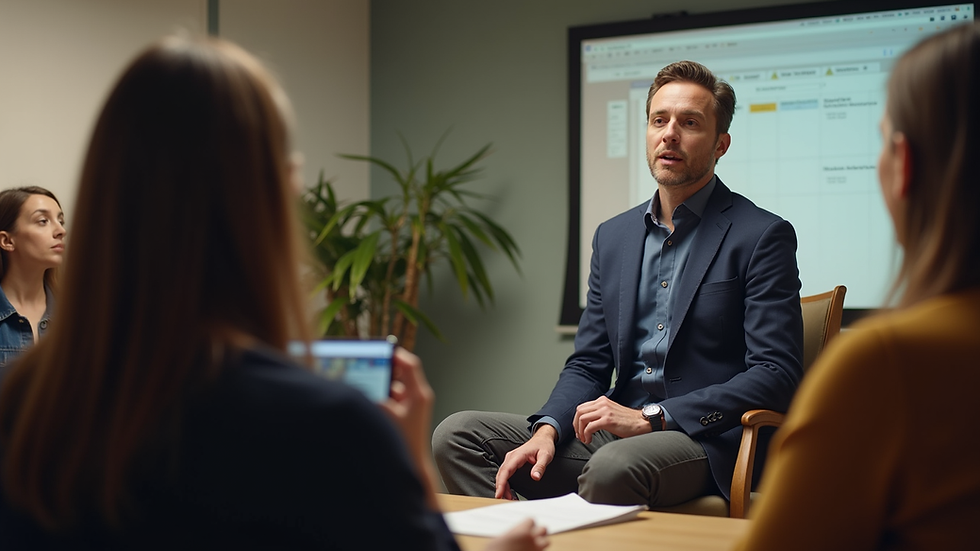
Understanding Effective Communication
Effective communication is more than just exchanging words. It involves understanding the emotions and intentions behind the information being shared. Here are some key components of effective communication:
Clarity and Conciseness
When communicating, aim for clarity. Use simple language and avoid jargon that might confuse your audience. Being concise helps keep your message focused and ensures that your audience remains engaged.
Active Listening
Listening is just as important as speaking. Active listening involves fully concentrating on what is being said rather than just passively hearing the message. This means giving your full attention, nodding, and providing feedback to show that you understand.
Non-Verbal Communication
Body language, facial expressions, and tone of voice all play a significant role in how your message is received. Be aware of your non-verbal cues and ensure they align with your verbal messages.
Empathy
Understanding the feelings and perspectives of others can greatly enhance your communication. Empathy allows you to connect with your audience on a deeper level, making your interactions more meaningful.
The Importance of Effective Communication
Effective communication is essential in various aspects of life. Here are some reasons why it matters:
Building Relationships
Strong communication skills help build and maintain relationships. Whether in personal or professional settings, being able to express yourself clearly and listen to others fosters trust and understanding.
Conflict Resolution
Misunderstandings can lead to conflicts. Effective communication helps clarify issues and resolve disputes amicably. By addressing concerns openly, you can prevent small disagreements from escalating.
Enhancing Collaboration
In team settings, clear communication is vital for collaboration. It ensures that everyone is on the same page and working towards a common goal. This leads to increased productivity and a more positive work environment.
Boosting Confidence
When you communicate effectively, you feel more confident in your interactions. This confidence can lead to better opportunities in both personal and professional realms.
Practical Tips for Improving Communication Skills
Improving your communication skills takes practice and dedication. Here are some practical tips to help you get started:
Practice Active Listening
Make a conscious effort to listen more than you speak. When someone is talking, focus on their words and ask questions to clarify your understanding. This not only shows that you value their input but also helps you respond more thoughtfully.
Be Mindful of Your Body Language
Your body language can convey messages just as powerfully as your words. Maintain eye contact, use open gestures, and be aware of your posture. These non-verbal cues can enhance your message and make you appear more approachable.
Tailor Your Message to Your Audience
Consider who you are communicating with and adjust your message accordingly. Different audiences may require different approaches. For example, a casual conversation with friends will differ from a formal presentation at work.
Seek Feedback
Ask for feedback on your communication style from trusted friends or colleagues. This can provide valuable insights into areas where you can improve. Be open to constructive criticism and use it to refine your skills.
Engage in Public Speaking
Public speaking can be intimidating, but it is an excellent way to improve your communication skills. Join a local speaking club or practice in front of friends. The more you practice, the more comfortable you will become.
Overcoming Communication Barriers
Despite our best efforts, communication barriers can still arise. Here are some common barriers and how to overcome them:
Language Differences
In a multicultural environment, language differences can pose challenges. To overcome this, use simple language and avoid idioms that may not translate well. Be patient and willing to clarify your message if needed.
Emotional Barriers
Strong emotions can cloud judgment and hinder effective communication. If you or the other person is upset, take a moment to cool down before continuing the conversation. This can help ensure a more productive discussion.
Physical Barriers
Physical distractions, such as noise or interruptions, can disrupt communication. Try to choose a quiet environment for important conversations, and minimize distractions to enhance focus.
The Role of Technology in Communication
In today's digital age, technology plays a significant role in how we communicate. Here are some ways technology impacts communication:
Instant Messaging and Emails
While these tools allow for quick communication, they can sometimes lead to misunderstandings due to the lack of non-verbal cues. Be mindful of your tone in written communication and consider following up with a phone call if the message is sensitive.
Video Conferencing
Video calls have become increasingly popular, especially in remote work settings. They allow for face-to-face interaction, which can enhance understanding. Ensure you are in a quiet space and test your technology beforehand to avoid disruptions.
Social Media
Social media platforms provide a space for sharing ideas and connecting with others. However, it's essential to communicate respectfully and thoughtfully, as messages can be easily misinterpreted.
Conclusion
Effective communication is a vital skill that can enhance your personal and professional relationships. By focusing on clarity, active listening, and empathy, you can improve your interactions with others. Remember to practice regularly and seek feedback to continue developing your skills. As you become a more effective communicator, you'll find that your relationships deepen, conflicts resolve more easily, and your confidence grows. Start today by applying these tips in your daily conversations and watch your communication skills flourish.

Comentarios